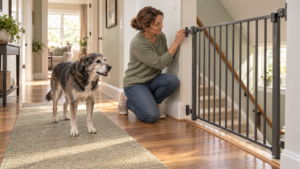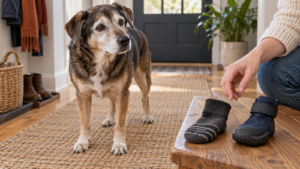
If you have a senior dog, you probably already know how quickly the little details can pile up.
One week it is a new medication. The next week it is a change in appetite. Then there is a vaccine record, a lab result, a note from the vet, a food change, a refill date, and a question you meant to ask at the next appointment.
None of those details feel complicated by themselves.
But when they are scattered across text messages, receipts, memory, sticky notes, and old paperwork, it becomes harder to see the full picture.
This article is about organizing records so you can retrieve them quickly; it is not a symptom-triage guide. That is where a simple senior dog health record system can help. It does not need to be fancy. It just needs to keep the most important information in one reliable place so you can find it when your dog needs you.
Why Senior Dog Health Records Matter More Over Time
As dogs get older, their care often becomes more detailed. The American Veterinary Medical Association recommends that senior pets see a veterinarian twice a year or more, which can mean more examination notes, test results, medication instructions, and follow-up dates to organize.
Your senior dog may still be happy, active, and enjoying daily life. But age can bring more vet visits, medication changes, mobility issues, food sensitivities, dental concerns, weight changes, and small symptoms that are easy to forget unless you write them down.
Keeping health records together helps you:
- remember when a symptom started
- track medication doses and refill dates
- compare appetite, water intake, bathroom habits, and energy over time
- prepare for wellness exams
- give clearer information to your vet
- help a pet sitter or family member follow your dog’s routine
- avoid relying only on memory during stressful moments
This is especially useful because many senior dog changes are not emergencies, but they are still worth noticing.
A single skipped meal may not mean much. A pattern of lower appetite over two weeks is different. One stiff morning may pass. Regular stiffness after walks is worth tracking.
Good records help you notice patterns without panicking over every small change.
What to Keep in Your Senior Dog’s Health Binder
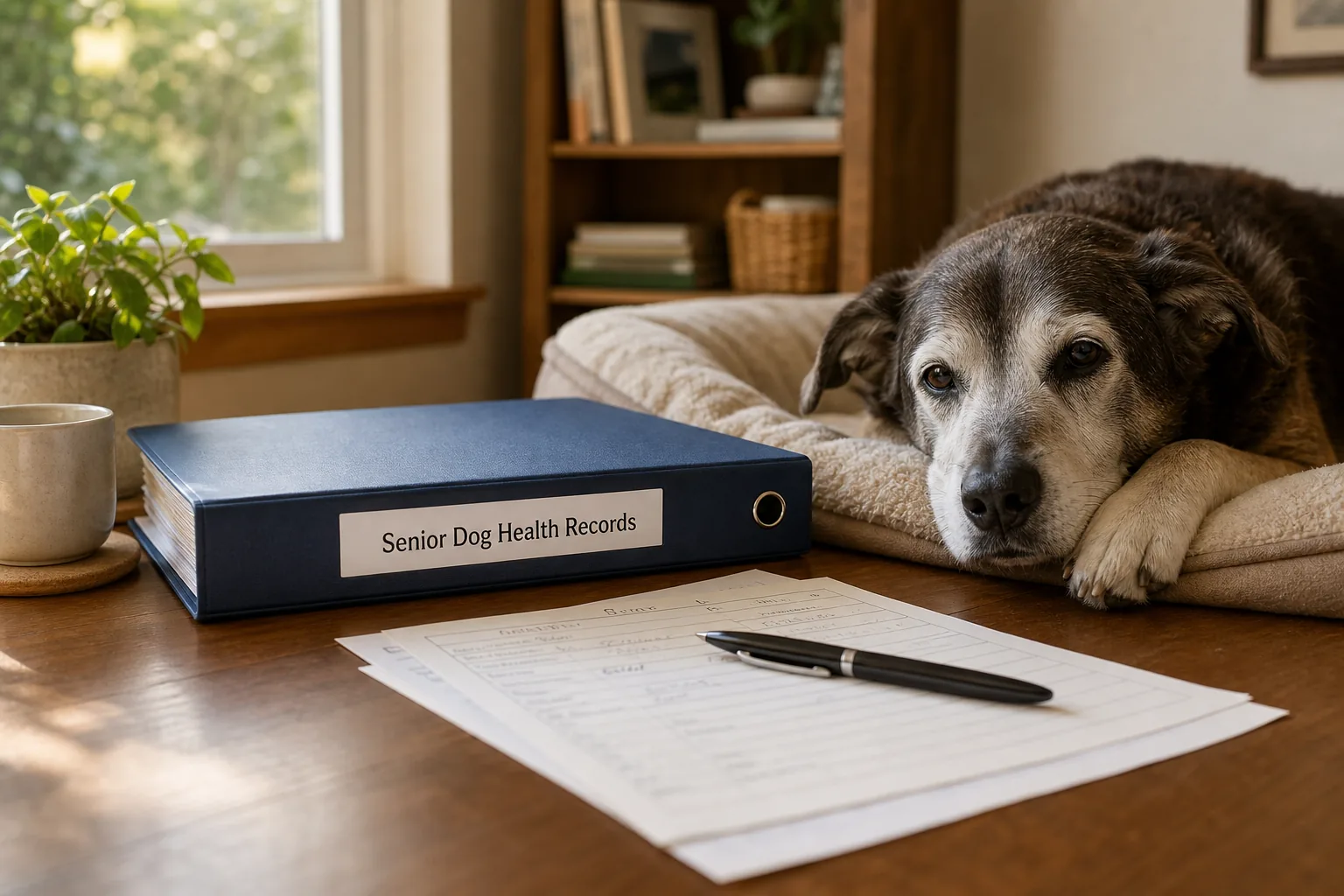
A senior dog wellness binder is simply one place for your dog’s important care information.
You can use a printed binder, a folder, a notebook, or a digital document. The format matters less than the habit of keeping things together.
Here are the main sections worth including.
1. Basic Dog Information
Start with the simple details you may need quickly.
Include:
- your dog’s name
- breed or mix
- age or estimated age
- weight
- microchip number
- spay/neuter status
- known allergies
- current food
- regular vet clinic
- emergency vet clinic
- pet insurance information, if applicable
This page is useful for you, but it is also helpful if someone else ever needs to care for your dog.
2. Vet Contact and Visit History
Keep your regular vet information easy to find.
You may want to include:
- clinic name
- phone number
- address
- after-hours instructions
- preferred veterinarian, if you have one
- date of last wellness exam
- date of next recommended visit
Then keep a simple vet visit log.
For each appointment, write down:
- date of visit
- reason for visit
- weight at the visit
- main concerns discussed
- tests performed
- diagnosis or observations
- medication changes
- follow-up instructions
- next appointment date
You do not need to rewrite the entire medical chart. The goal is to capture the practical takeaways you need at home.
3. Medication and Supplement Tracker
Senior dogs often have more medication details than younger dogs.
A medication tracker helps you avoid confusion, especially when doses change.
Track:
- medication or supplement name
- reason your dog takes it
- dosage
- time of day given
- whether it must be taken with food
- start date
- stop date, if applicable
- prescribing vet
- refill date
- side effects or notes to watch for
This is one of the most important sections to keep updated.
If your dog has multiple medications, bring this list to vet visits. It can help prevent mistakes and make conversations easier. Do not reuse medication prescribed for another pet or add a human pain reliever without veterinary direction; the FDA explains that these medications may be unsafe for the individual dog.
4. Symptom and Behavior Notes
This section is for changes you notice at home.
You do not need to record every normal day. Focus on changes that are new, repeated, or concerning.
Examples include:
- appetite changes
- drinking more or less water
- vomiting or diarrhea
- coughing
- accidents in the house
- limping or stiffness
- trouble getting up
- pacing or restlessness
- confusion
- new anxiety
- changes in sleep
- changes in bathroom habits
- changes in energy
Write down the date, what you noticed, how long it lasted, and whether anything seemed to trigger it.
A short note is enough.
For example:
Tuesday evening: slow getting up after nap, slight limp on back right leg, improved after walking around for a few minutes.
That kind of note gives your vet more useful context than “he has been acting a little off.”
5. Food, Treats, and Digestive Changes
Food changes can affect senior dogs more than people expect.
Keep a section for:
- current food brand and formula
- feeding schedule
- portion size
- treats
- supplements
- food transitions
- digestive reactions
- appetite changes
If you change foods, write down the transition dates and any changes in stool, gas, vomiting, itching, or energy.
This makes it easier to connect a reaction to a recent diet change instead of guessing later.
6. Mobility and Pain Observations
Mobility changes are common in older dogs, but they can be hard to describe clearly if you only rely on memory.
Track things like:
- difficulty standing up
- slipping on floors
- reluctance to jump or climb stairs
- stiffness after rest
- limping
- shorter walks
- changes in posture
- trouble getting comfortable
- sensitivity when touched
You can also note what seems to help.
For example:
- shorter walks
- rugs on slippery floors
- a ramp
- a softer bed
- medication from the vet
- rest after active days
This kind of record can help you and your vet talk about comfort, pain management, and quality of life in a practical way.
7. Vaccines, Lab Work, and Medical Documents
Keep copies of important medical documents together.
This may include:
- vaccine records
- bloodwork results
- urine test results
- dental records
- imaging reports
- surgery records
- specialist notes
- prescription records
- discharge instructions
If you use a printed binder, place these in a folder or plastic sleeve.
If you prefer digital records, create one folder for your dog and name files clearly by date.
For example:
2026-06-12 Bloodwork Results
Simple naming makes records much easier to find later.
8. Pet Sitter or Family Instructions
Senior dogs often have routines that are obvious to the owner but not obvious to anyone else.
Create a simple instruction page for a pet sitter, family member, or emergency helper.
Include:
- feeding schedule
- medication schedule
- walk routine
- bathroom habits
- mobility limits
- where supplies are kept
- what is normal for your dog
- what is not normal
- emergency contact information
- vet contact information
This section can reduce stress if someone else needs to step in.
How Often Should You Update Senior Dog Records?
You do not need to turn this into a daily chore unless your dog has an active medical issue.
A simple rhythm works best:
- Update medications whenever something changes.
- Add symptom notes when you notice a new or repeated change.
- Review food and mobility notes once a week if your dog is having issues.
- Add vet visit notes after each appointment.
- Review the whole binder before wellness exams.
The goal is not perfect tracking.
The goal is having enough information to make care easier.
A Simple Weekly Senior Dog Review
If you want an easy habit, set aside 10 minutes once a week.
Ask yourself:
- Did my dog’s appetite change this week?
- Did water intake seem different?
- Were bathroom habits normal?
- Did I notice stiffness, limping, or trouble getting up?
- Did my dog seem more tired, restless, confused, or anxious?
- Did any medication, supplement, or food change?
- Is there anything I should ask the vet about?
If everything was normal, write “normal week.”
That still helps. It gives you a baseline.
When to Call the Vet
A health binder can help you organize information, but it should never replace veterinary care.
Call your vet promptly if your senior dog has a sudden, severe, or rapidly worsening problem. The ASPCA lists pale gums, rapid breathing, difficulty standing, loss of consciousness, seizures, and excessive bleeding among signs requiring emergency care. Other concerning changes also deserve prompt veterinary guidance, including:
- trouble breathing
- collapse or severe weakness
- repeated vomiting or diarrhea
- signs of significant pain
- sudden inability to walk
- seizures
- pale gums
- major appetite loss
- sudden confusion or distress
- any symptom that feels urgent or unusual for your dog
When in doubt, call your vet or an emergency clinic. It is better to ask early than wait too long.
Make the System Easy Enough to Actually Use
The best senior dog health record system is the one you will keep using.
Do not make it complicated.
Start with the basics:
- vet contact page
- medication tracker
- symptom notes
- food and digestion notes
- mobility notes
- vet visit summary page
You can always add more later.
If you want a ready-made structure, a senior dog wellness binder can save time because the main pages are already organized for you. Instead of creating sections from scratch, you can start filling in your dog’s information and updating it as care changes.
Related Senior Dog Care Guides
If you are organizing records because your older dog is changing, these related guides may help you decide what to track next:
- The Senior Dog Symptom Tracker: What to Watch Daily, Weekly, and Monthly
- How to Tell If Your Senior Dog Is Just Aging or Needs a Vet Visit
Final Thoughts
Senior dog care often comes down to noticing small changes, keeping calm records, and sharing clear information with your vet.
You do not have to remember everything.
You just need one reliable place to keep the details that matter.
A simple health record system can make vet visits easier, medication routines safer, and daily care less stressful — for both you and your dog.
Editorial review and sources
Editorially reviewed and updated by the Well Walked Dog Editorial Team on July 16, 2026. The health and safety statements in this article were checked against the veterinary and animal-health sources below. This article provides general education and does not replace care from your veterinarian.