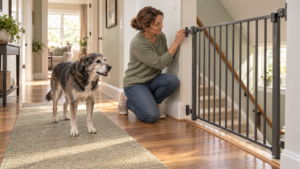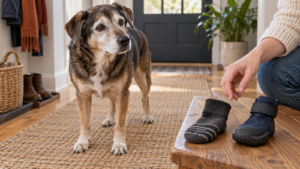
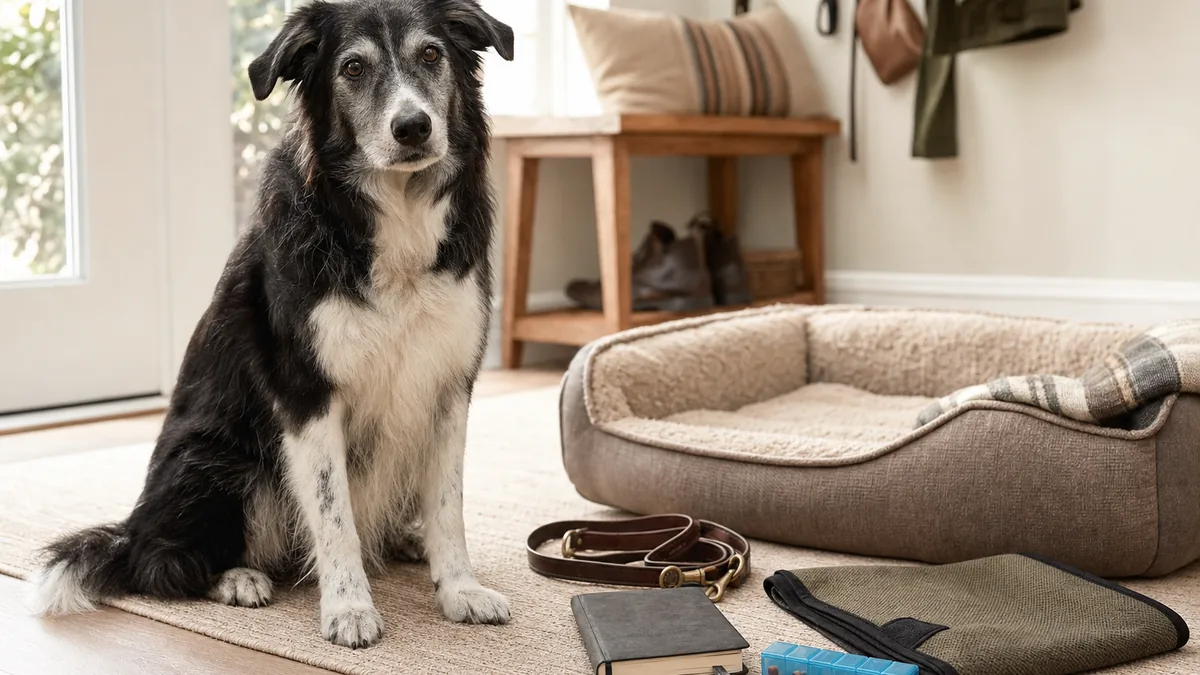
Senior dogs change. They sleep more. They may move more slowly. They may need a little extra time before jumping into the car or settling into bed.
This article is a decision framework for when to monitor, call, or seek urgent help. The hard part is knowing which changes are normal aging and which ones deserve a call to the vet. Most owners are not trying to diagnose anything. They are trying to answer a simpler question: should I keep watching this, or should I call?
A good rule is to watch patterns, not panic over every tiny moment. But do not dismiss a new change just because your dog is older. Write down what changed, when it started, how often it happens, and whether it is getting worse. Those notes can make the vet conversation much clearer.
Quick answer: when should a senior dog see the vet?
Call your veterinarian if your senior dog has a new change that is sudden, painful, repeated, getting worse, or affecting normal daily life. That includes changes in appetite, drinking, bathroom habits, mobility, breathing, sleep, confusion, behavior, weight, lumps, wounds, or medication response.
Do not wait to track more notes if your dog is struggling to breathe, collapses, has repeated vomiting or diarrhea, seems very weak, cannot urinate, has a seizure, appears severely painful, has pale or blue gums, or seems suddenly confused and distressed. Those situations need prompt veterinary guidance or emergency care.
Normal aging usually changes slowly
Many age-related changes build gradually, but they should still be discussed with your veterinarian. The American Veterinary Medical Association recommends senior pets receive veterinary examinations twice a year or more and notes that changes in activity or behavior can signal an underlying problem. A senior dog may nap more, take shorter walks, or experience changes in hearing and vision. Your dog may prefer a softer bed or a calmer routine.
Slow change does not always mean “nothing is wrong,” but it gives you a different kind of question to ask. Instead of asking, “Is my dog just old?” try asking:
- Is this new or has it been slowly changing over months?
- Is my dog still eating, drinking, walking, resting, and interacting normally?
- Is the change mild, or is it stopping normal daily activities?
- Is my dog comfortable?
- Would I feel better asking the vet about it at the next wellness visit?
If the change is mild and steady, it may be something to bring up at a scheduled senior wellness exam. If it is new, painful, or worsening, call sooner.
Vet-worthy changes often have a pattern
Some changes look small on one day but matter once you see the pattern. A skipped breakfast once may not tell you much. Skipping several meals, eating slower all week, dropping food, or avoiding hard treats gives your vet more to work with.
The same is true for stiffness, accidents in the house, nighttime pacing, extra drinking, coughing, or behavior changes. One odd moment can happen. Repeated changes deserve notes.
If you need a plain list of what to watch, the related article 7 Small Changes in Senior Dogs You Should Write Down Before Calling the Vet breaks this into appetite, water, bathroom, mobility, breathing, behavior, and lumps or skin changes.
Appetite and water changes are worth tracking
Food and water changes are easy to miss when they happen gradually. Pay attention if your dog eats less, leaves food behind, seems hungry but walks away, chews strangely, drops food, drinks much more, drinks much less, or asks to go out more often.
Before calling, write down:
- what your dog normally eats
- what changed
- when the change started
- whether treats, chews, supplements, or medications changed
- whether vomiting, diarrhea, weight change, or low energy is also happening
If your dog is on a prescription diet or has a medical condition, do not make major food changes without asking your vet.
Mobility changes need more than a guess
A senior dog may be stiff after a long nap and loosen up after gentle movement. That can happen with age. Still, limping, slipping, avoiding stairs, trouble standing, crying out, or giving up on normal walks should not be brushed off.
Try to note when the mobility change appears. Is it worse in the morning? After walks? After jumping down? On slick floors? Does one leg seem affected? A short video can help, especially if your dog moves differently at the clinic.
Do not give human pain medicine unless your veterinarian specifically tells you to. The U.S. Food and Drug Administration warns that pain relievers intended for people, or even medication prescribed for another dog, may harm a pet.
Behavior changes can be health clues
Older dogs may become more cautious or need a steadier routine. But new behavior changes can also be linked to pain, sensory changes, sleep disruption, anxiety, or medical issues. Cornell describes disorientation, nighttime wandering, house-soiling, pacing, and anxiety as possible signs of cognitive dysfunction and explains that a veterinarian must rule out other causes.
Write down changes such as pacing at night, staring, getting stuck in corners, seeming lost in familiar rooms, new clinginess, irritability, less interest in family, restlessness, or sudden house accidents.
Plain notes are enough. You do not need medical terms. “He paced from 2 a.m. to 3 a.m. three nights this week” is much more useful than “acting strange.”
Use three buckets: routine, call soon, urgent
When you are worried, sort the change into one of three buckets.
Routine mention at the next visit
This is for mild, gradual changes that are not painful and are not disrupting normal life. Examples might include slightly shorter walks, more naps, mild hearing changes, or needing a softer sleeping spot. Bring them up at the next senior checkup so your vet has the full picture.
Call the vet soon
This is for new or repeated changes that are not an obvious emergency but should not be ignored. Examples include appetite changes lasting more than a day, increased thirst, new accidents, limping, coughing, weight change, new lumps, behavior changes, or stiffness that affects daily movement.
Seek urgent help
This is for symptoms that feel severe, sudden, painful, or dangerous. Breathing trouble, collapse, seizures, repeated vomiting or diarrhea, inability to urinate, pale gums, severe weakness, major injury, or extreme distress should be handled as urgent. The ASPCA specifically includes pale gums, rapid breathing, difficulty standing, loss of consciousness, seizures, and excessive bleeding among emergency signs. Call your vet or an emergency clinic right away.
For general emergency preparation, you may also want to read Dog First Aid Basics Every Owner Should Know. It is not a replacement for care, but it can help you think more clearly before something goes wrong.
What to write down before you call
When you call the vet, clear notes make the conversation easier. Use this simple format:
- What changed: “She is hesitating before the porch steps.”
- When it started: “I first noticed it Tuesday morning.”
- How often: “It happened three times this week.”
- What else is happening: “She is also sleeping more and eating breakfast slower.”
- Photo or video: “I have a short video of her walking after a nap.”
If you already have an appointment scheduled, use What to Track Before Your Senior Dog’s Vet Visit as your prep guide. It covers the notes that are easy to forget once you are in the exam room.
Where the senior dog checklist fits
A printable checklist is useful when your thoughts are scattered. It gives you one place to gather appetite notes, water changes, bathroom details, mobility observations, behavior changes, medication questions, and the main things you want to ask.
The free Senior Dog Vet Visit Checklist is meant for exactly this kind of situation. It does not diagnose your dog. It helps you walk into the vet conversation with cleaner notes and fewer forgotten details.
If the change is ongoing, the Senior Dog Symptom Tracker can help you keep daily and weekly notes together. That way you are not relying on memory when your vet asks, “How long has this been happening?”
A calm next step
If something about your senior dog feels different today, write it down before you forget. Keep it simple: what changed, when it started, and whether it is getting better or worse.
If the change is mild and gradual, add it to your next vet visit list. If it is new, repeated, painful, or worrying you, call your veterinarian and ask what they recommend. You are not overreacting by asking. You are giving your older dog the benefit of careful attention.
Important note: This article is for organization and general education only. It is not veterinary advice and does not diagnose or treat medical conditions. Always contact your veterinarian with health concerns about your dog. You can also review the site’s Health & Training Disclaimer.
After the veterinary question comes the home setup
If your veterinary team agrees that support at home is appropriate, start with the specific job: traction, lifting, stairs, room access, or rest. The Mobility & Support guide and Home Safety guide explain measurements and limitations without treating equipment as a diagnosis or cure.
Editorial review and sources
Editorially reviewed and updated by the Well Walked Dog Editorial Team on July 16, 2026. The health and safety statements in this article were checked against the veterinary and animal-health sources below. This article provides general education and does not replace care from your veterinarian.