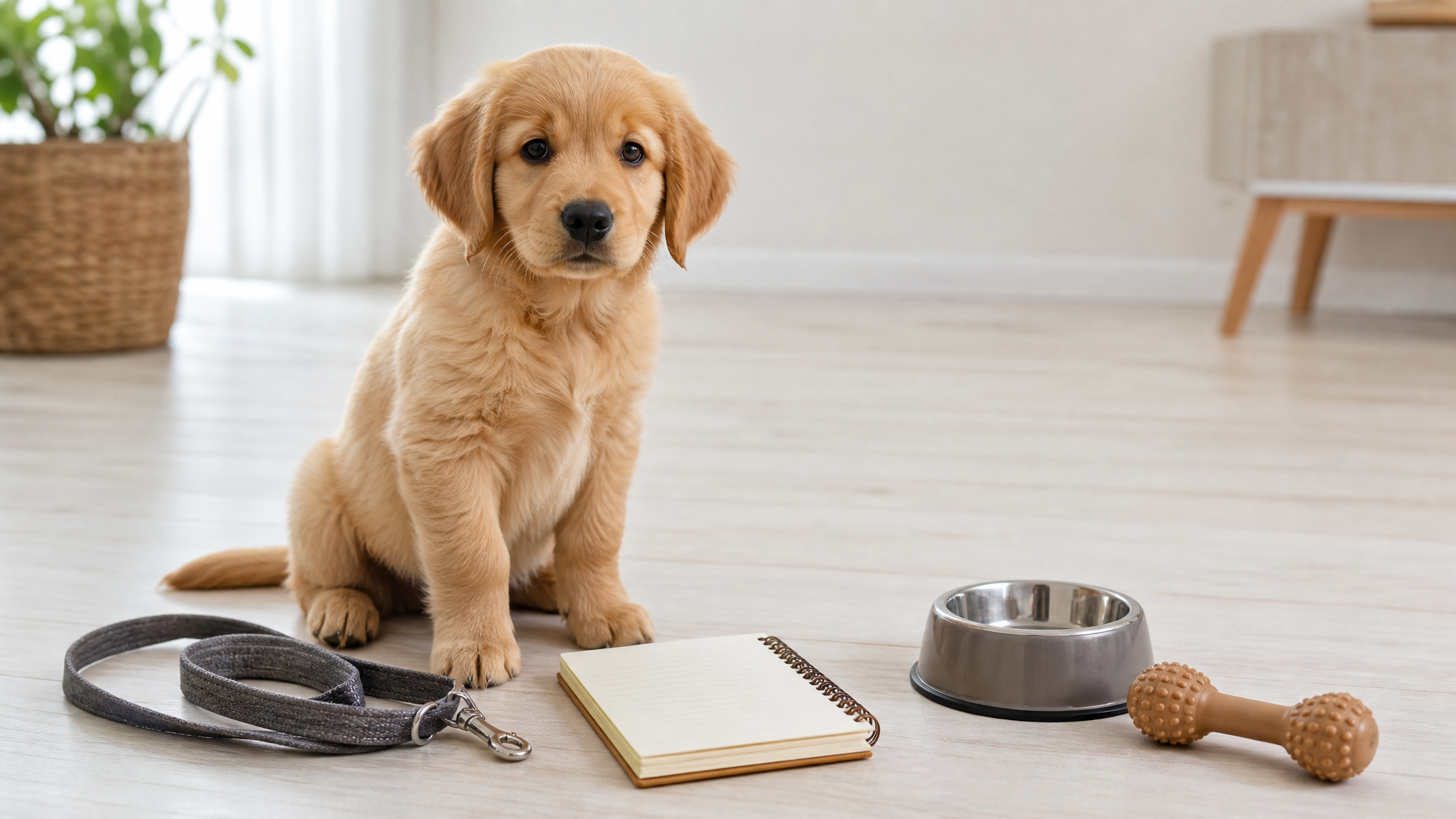
Bringing home a puppy is exciting, but it is also easy to overbuy, under-plan, and realize too late that you forgot something simple. A puppy does not need a house full of gadgets on day one. They need a safe place to sleep, a predictable routine, basic supplies, and a person who is ready for the messy first few weeks.
This checklist covers what you actually need before bringing a puppy home, what can wait, and what is not worth worrying about yet. It is written for first-time puppy owners who want to be prepared without turning the whole process into a shopping panic.
Related reading: If you are planning your puppy’s first short walks, start with How to Build a Better Daily Walk Routine for Your Dog.
Start With the Puppy’s First Week, Not Their Whole Life
A common mistake is trying to buy everything your dog might need for the next ten years. That is how people end up with toys their puppy ignores, a bed that gets chewed in two days, and training gear they do not know how to use.
Think about the first week instead. Your puppy needs to eat, sleep, potty, explore safely, and begin learning the rhythm of your home. If you cover those basics, you can add more later when you understand your puppy’s size, personality, chewing style, and energy level.
The Must-Have Puppy Supplies
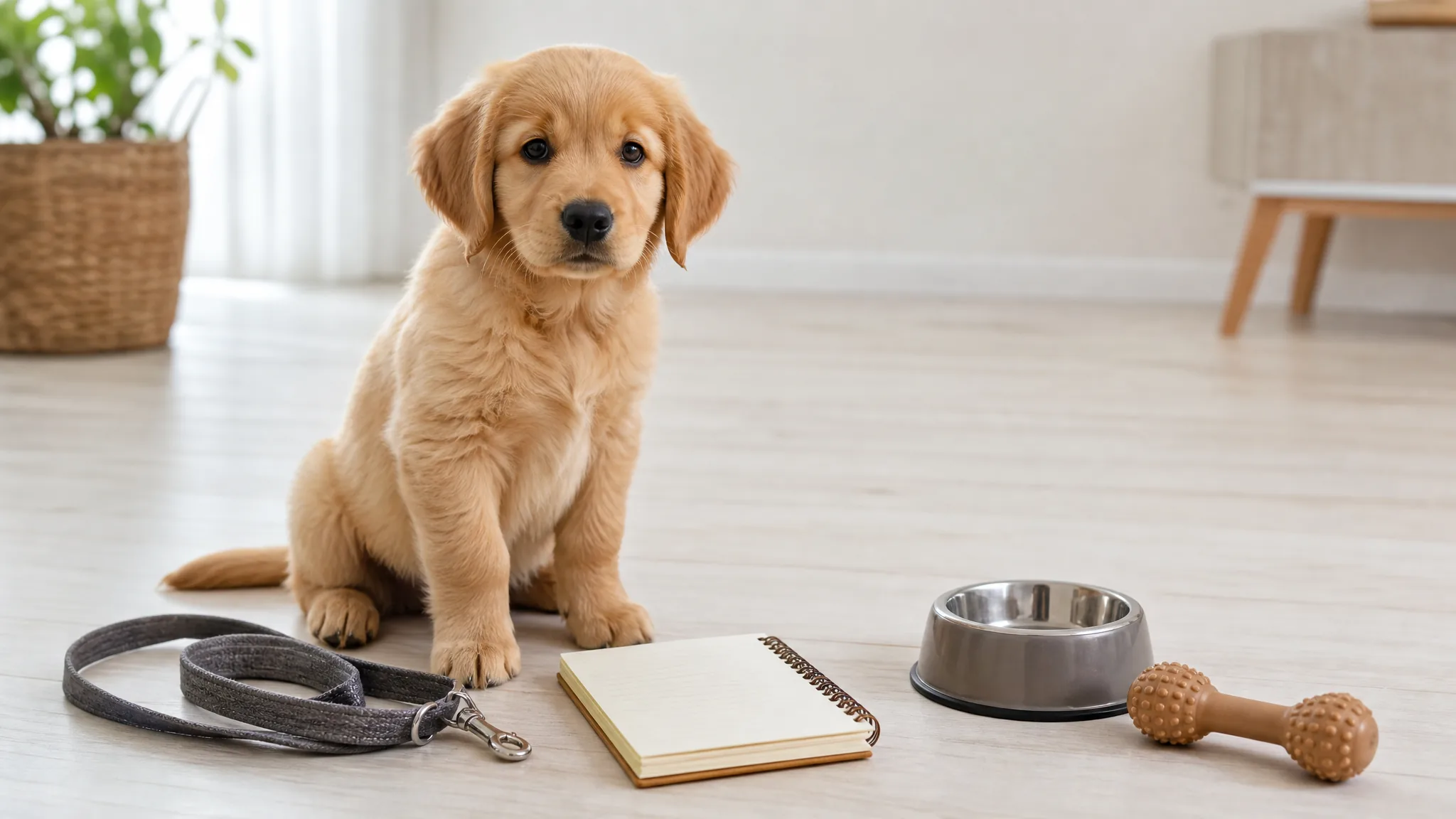
These are the basics I would have ready before pickup day.
- A crate, playpen, or gated safe area.
- Food and water bowls.
- The same food your puppy is already eating, at least for the transition period.
- A collar or harness that fits safely.
- A lightweight leash.
- Waste bags.
- Chew toys made for puppies.
- Cleaning supplies for accidents.
- A simple ID tag.
- A vet appointment scheduled soon after arrival.
You can make this list fancier, but you do not need to. The first few days are about safety and routine. A puppy that has a secure place to rest, a bathroom plan, and appropriate things to chew is already off to a better start.
Set Up a Safe Puppy Zone
Your puppy should not have free access to the whole house right away. That sounds strict, but it is kinder and easier. Puppies chew cords, swallow small objects, pee behind furniture, and get overwhelmed when they have too much space.
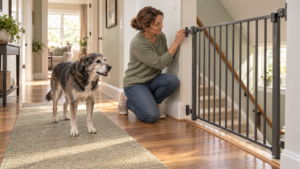
Choose one main area for the first week. A kitchen, laundry room, bedroom corner, or playpen setup can work. Remove anything dangerous or valuable. Add water, a bed or crate, a few safe chew toys, and easy access to the door you will use for potty breaks.
This safe zone gives your puppy a place to settle. It also gives you a better chance of preventing accidents instead of constantly reacting to them.
Plan the First Potty Routine Before You Need It
Potty training is easier when you decide the routine before your puppy arrives. Pick the door you will use. Pick the potty area. Decide what cue you will say, such as “go potty.” Keep shoes, leash, and bags near the exit so you are not scrambling with a puppy who already has to go.
Most puppies need frequent chances to go out, especially after waking, eating, playing, and drinking. Expect accidents. They are part of the process. The goal is not to scold your puppy after the fact. The goal is to create enough successful trips outside that the habit starts to make sense.
Do Not Rush Long Walks
Puppies need exposure to the world, but they do not need long neighborhood walks right away. Their vaccination status, age, confidence, and energy level all matter. Ask your veterinarian what is safe in your area before taking your puppy to places where many dogs pass through.
Early walks should be short and positive. Let your puppy sniff, hear normal neighborhood sounds, and practice being near you on leash. If you want a simple framework for building walks as your dog grows, read How to Build a Better Daily Walk Routine for Your Dog. The same basic idea applies to puppies: keep the walk manageable, calm, and useful.
Buy Chew Toys Before Your Furniture Becomes the Toy
Puppies chew because they are exploring, teething, bored, or tired. You cannot stop chewing completely, and you should not try. You can redirect it.
Have a few puppy-safe chew options ready. Choose different textures, but avoid anything too hard for puppy teeth. If you cannot make a mark with your fingernail, it may be too hard for a young puppy. Supervise new chews until you know how your puppy uses them.
When your puppy grabs the wrong thing, trade calmly for the right thing. This teaches them what works without turning every stolen sock into a chase game.
Make the First Night Easier
The first night can be rough. Your puppy has left familiar people, smells, littermates, or a previous routine. Crying does not mean they are being dramatic. It means they are a baby animal in a new place.
Keep the sleeping area close enough that your puppy does not feel abandoned. Many owners start with the crate or pen near the bed, then slowly move it later if needed. Take your puppy out for potty breaks calmly and boringly. Nighttime is not playtime.
A washable blanket, safe chew, and predictable bedtime routine can help. Do not expect perfection. The first goal is safety and reassurance.
Schedule the Vet Visit Early
Even if your puppy came with records, schedule a vet visit soon after bringing them home. Your vet can review vaccines, parasite prevention, diet, growth, microchip details, and any breed-specific concerns.
This is also the right time to ask about safe socialization. Puppy socialization matters, but it has to be balanced with disease risk. Your vet can help you make a plan that fits your location and your puppy’s vaccine schedule.
Health and safety notes for the first week
Ask your veterinarian what is safe before taking your puppy into busy public places. Vaccine timing, local disease risk, weather, and your puppy’s age all matter. Keep early outings short, positive, and low-pressure. If your puppy seems sick, refuses food, has repeated vomiting or diarrhea, coughs, or becomes unusually tired, call your vet.
What Can Wait
You do not need everything on day one. Fancy beds, a full grooming kit, multiple harnesses, expensive training gadgets, and a giant toy basket can wait. You may discover your puppy prefers one kind of toy, outgrows a harness quickly, or needs a different grooming setup than you expected.
Start with the basics. Watch your puppy. Then buy what solves a real problem.
Simple First-Week Puppy Checklist
- Set up a safe puppy zone.
- Buy food, bowls, leash, collar or harness, ID tag, waste bags, and cleaning supplies.
- Choose a potty area and routine.
- Prepare puppy-safe chew toys.
- Schedule a vet appointment.
- Keep walks short and positive.
- Plan for interrupted sleep during the first few nights.
Turn this into a first-week checklist
If you like having one page to follow, copy the checklist above into a note on your phone or print it before pickup day. The goal is not a perfect setup. It is a calm first week with food, sleep, potty breaks, safe chewing, a vet plan, and short, positive walks.
For walking routines after your puppy settles in, use the daily walk routine guide. If leash pulling becomes the main issue later, move on to Loose Leash Walking: Simple Fixes for Dogs That Pull.
Final Thoughts
A good puppy setup is not about buying the most products. It is about making the first week safer and less stressful. Give your puppy structure, patience, and a small world they can understand. You can expand from there.
If you keep the first few days simple, you will have more attention for the work that matters: helping your puppy feel secure, learn the routine, and start building trust with you.